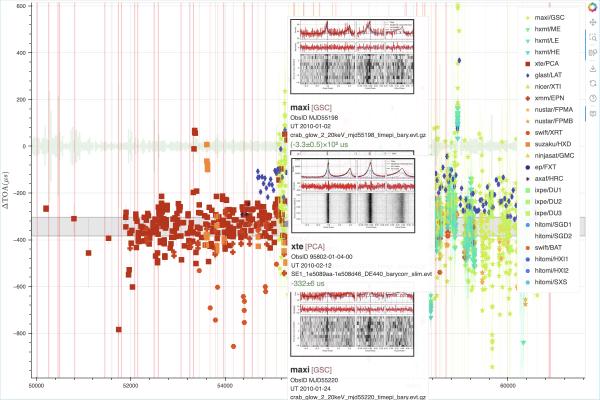
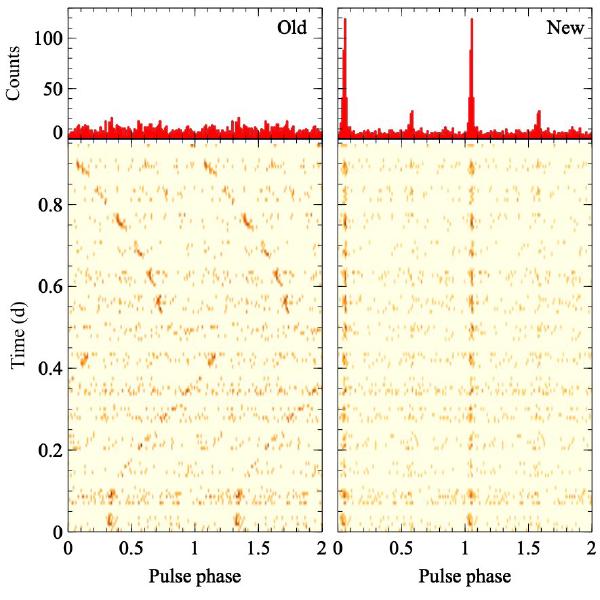


Science One clock to rule them all A new IACHEC-endorsed method unifies the absolute timing calibration of ~15 X-ray space missions using thousands of Crab pulsar observations.
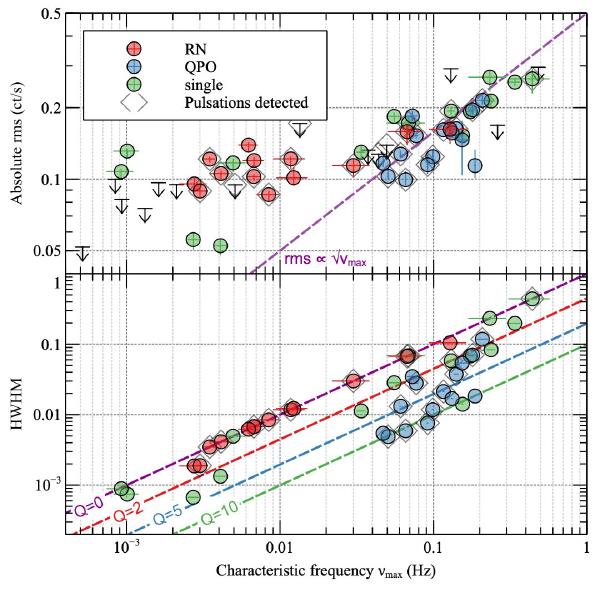
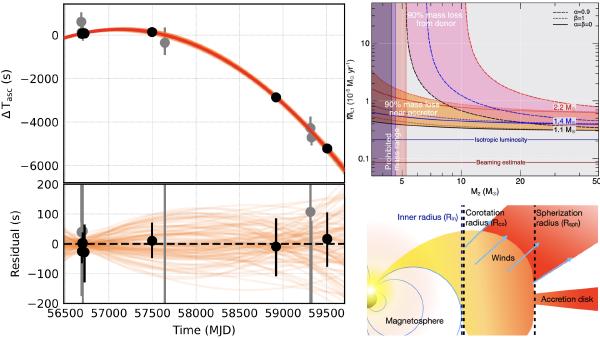
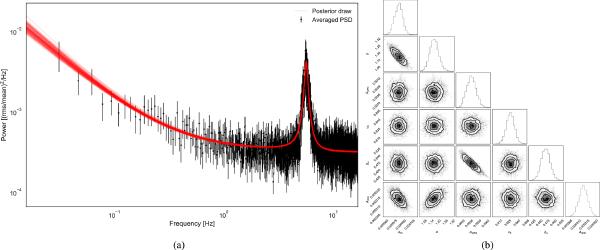
Science A decade of quasi-periodic heartbeats in M82 Thirty-nine NuSTAR observations spanning ten years reveal the long-term evolution of quasi-periodic oscillations in the ultraluminous X-ray sources of M82.
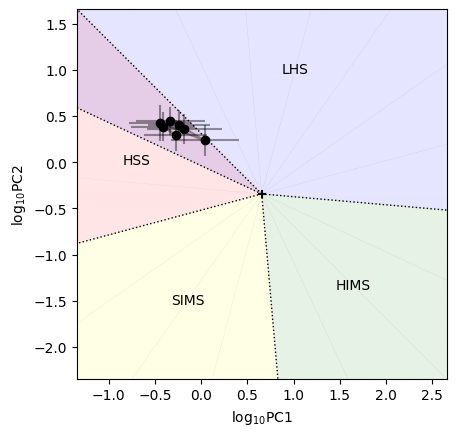
Software Stingray 2.0 A major new release of the Stingray spectral-timing library, with Lomb-Scargle transforms, power colors, a JAX-based QPO detection tool, and a cleaner, leaner codebase.
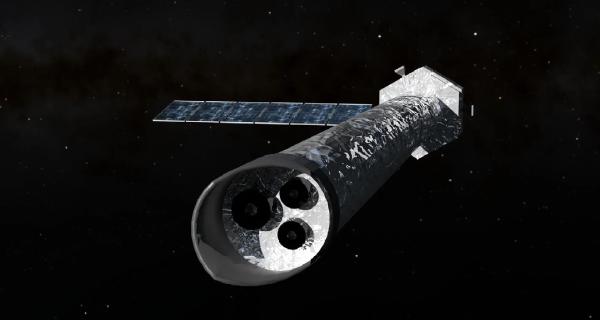
Science HEX-P's sense of ULXs A new mission concept, HEX-P, will revolutionize the field of ultraluminous X-ray sources.
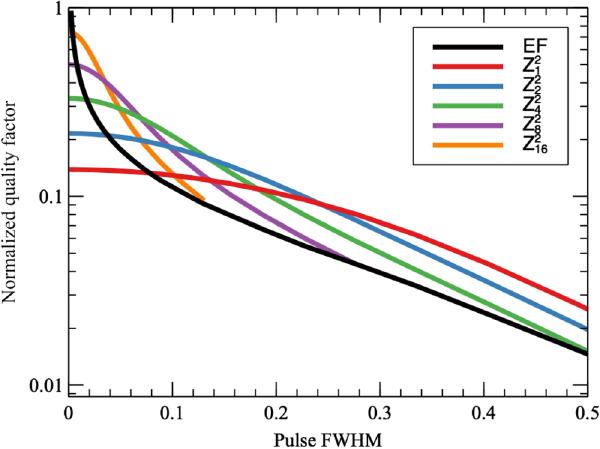
Software Applying the Z2n statistics to any pulsed profile Experiments with the statistics of pulsed profiles
Science NuSTAR's clock, 1000 times more precise. A new clock correction for NuSTAR makes it millisecond-pulsar ready
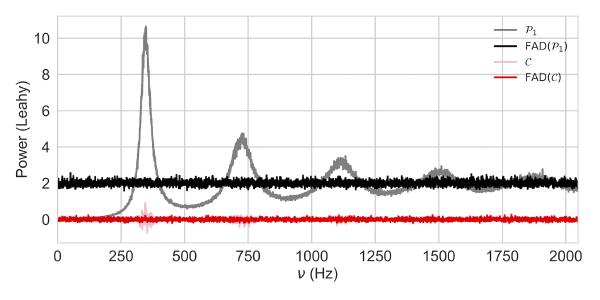
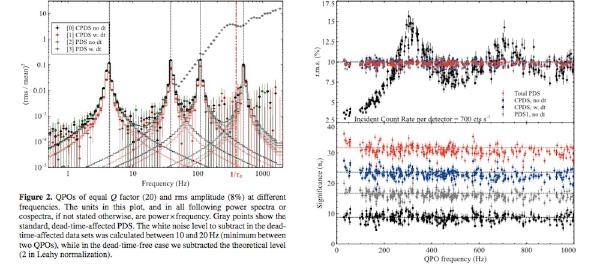
Science NuSTAR aperiodic timing analysis made precise Studies on dead time continue, with two papers on dead time statistics and correction
Science A review on Ultraluminous X-ray sources I wrote a review on the recent (as of 2016) breakthrough on Ultraluminous X-ray pulsars.
Science NuSTAR aperiodic timing analysis made simple Dead time can affect NuSTAR timing analysis. Let us learn how to approach it.
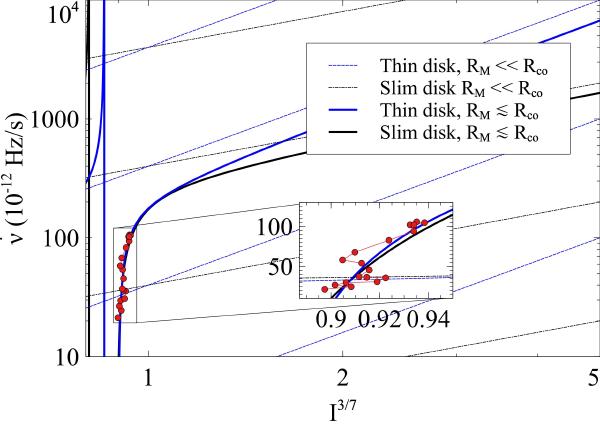
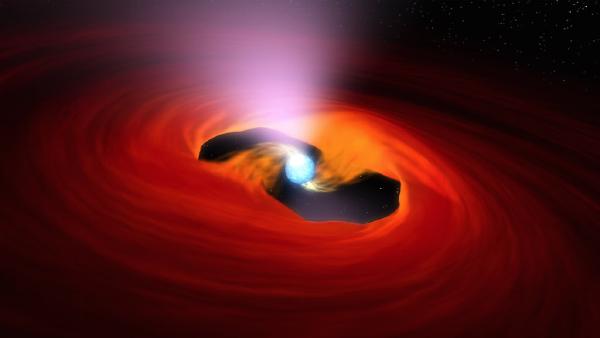
Science The most luminous accreting pulsar ever Pulsations detected from an ultraluminous X-ray source unequivocally identify it as a neutron star
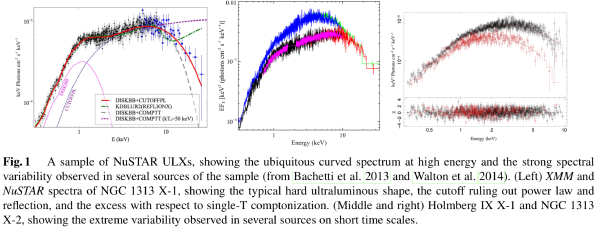
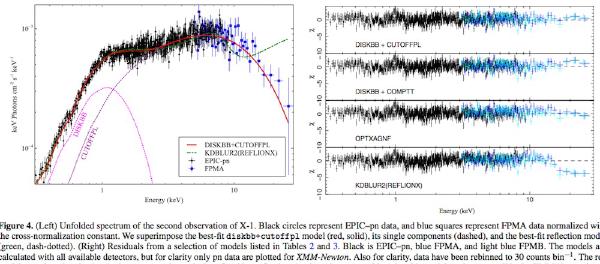
Science Medium sized or small black holes? Probably the second, says NuSTAR The spectra of ultraluminous X-ray sources are very Super-Eddington-y
Software Matteo's Library and Tools in Python for NuSTAR Timing Post talking about MaLTPyNT, a former software project. Outdated!